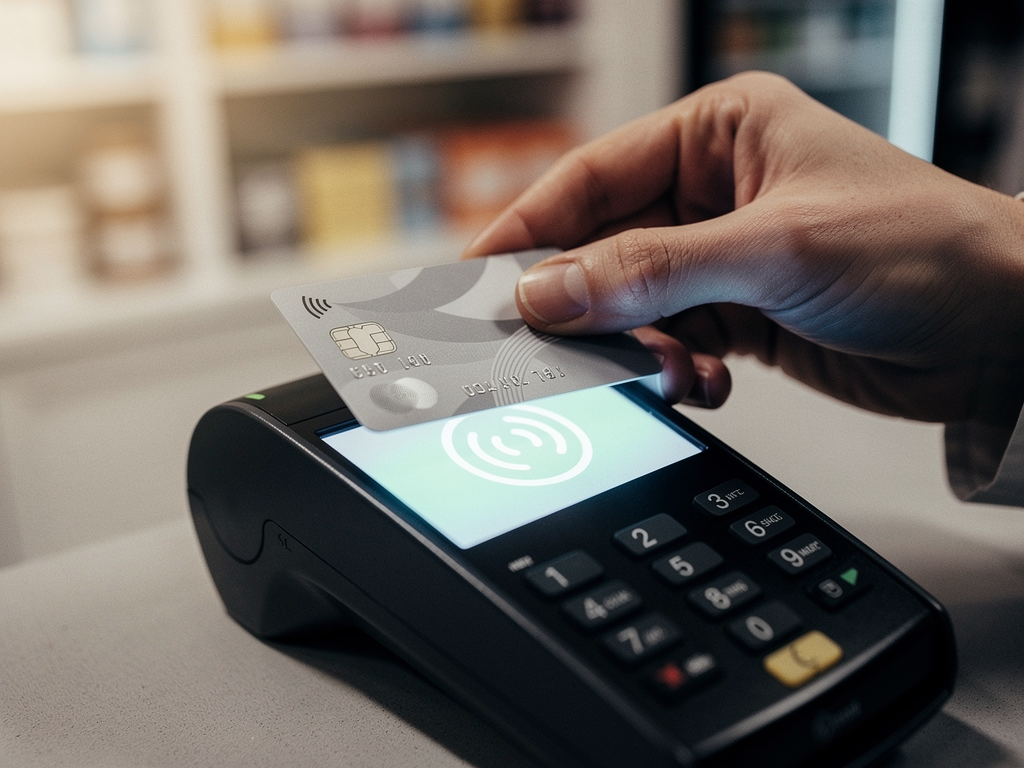

A true cash discount is legal in all fifty states in 2026, because you post one set of prices and offer a discount to customers who pay with cash. Surcharging, which adds a fee on top of card payments, is different and is banned outright in 2026 in Connecticut, Massachusetts, Maine, and Puerto Rico, and capped at 3 percent by Visa nearly everywhere else.
Cash discount, dual pricing, and surcharge, defined
These three terms sound similar and are treated very differently under the rules, so it pays to define them precisely. A cash discount means you post one set of prices, the card price, and give customers who pay with cash a discount off that price. The starting price already reflects card acceptance, and cash buyers pay less.
Dual pricing is a close cousin. You display two prices side by side, one for cash and one for card, so the customer sees both before they choose. Done this way, with both prices clearly posted, dual pricing functions as a compliant cash discount rather than a surcharge.
A surcharge is the opposite mechanism. You post the cash price as the base and add a fee on top when a customer pays with a card. That extra line is what the rules restrict, because the customer is charged more than the listed price specifically for using a card. The distinction between discounting from a card price and adding to a cash price is the entire legal difference.
What is banned and capped in 2026
A true cash discount is legal in all fifty states, full stop. Surcharging is where the map gets complicated. As of 2026, surcharging is banned outright in Connecticut, Massachusetts, Maine, and Puerto Rico. If you operate in one of those, a surcharge program is the wrong path, but a cash discount remains fully available to you.
Several other states allow surcharging but regulate exactly how you must disclose it, with California and Texas among those enforcing strict transparency rules after recent legislation. Even where surcharging is allowed, the card networks impose caps. Visa limits a credit card surcharge to your merchant discount rate or 3 percent, whichever is lower, and Mastercard caps it at 4 percent. You also must register the surcharge with the networks and post clear notice at the entrance and the point of sale.
Because the rules differ by state and by card brand, the safe structure for almost every business is a properly built cash discount, which sidesteps the surcharge bans and caps entirely while achieving the same goal.
Why Massachusetts merchants should choose cash discount
Massachusetts is one of the clearest examples of why the distinction matters. The state bans surcharging, so adding a card fee on top of a posted price is not allowed. Owners sometimes assume that means programs to offset processing costs are off the table entirely, but that is not the case.
A true cash discount is fully legal in Massachusetts, because you are discounting from a card-based price rather than adding a fee to a cash price. The same is true in Connecticut and Maine. The mechanism you choose, discount versus surcharge, decides whether you are compliant, which is why getting the structure right from day one is the whole game.
How to get your processing bill close to zero, legally
North's Edge program is structured as a compliant cash discount, not a surcharge. Done correctly, it can bring your monthly processing cost close to zero while keeping you on the right side of the rules in your state, including the surcharge-ban states where a surcharge program would not be allowed.
If your goal is to keep more of every sale, the legal way to get there is a properly built cash discount program, not a card fee that risks a compliance problem. Our guide on how much credit card processing should really cost shows where this fits alongside flat and interchange-plus pricing.
Tell me where you operate through the free statement review and I will confirm exactly what is allowed in your state, then lay out how the Edge program would work for your counter. I confirm the rules in your state before anything goes live, so you are never exposed to a compliance problem you did not see coming.
Want this read for your own statement?
Send your last processing statement and Alex will show you your true effective rate, what is interchange, and what is pure markup. It costs nothing either way.