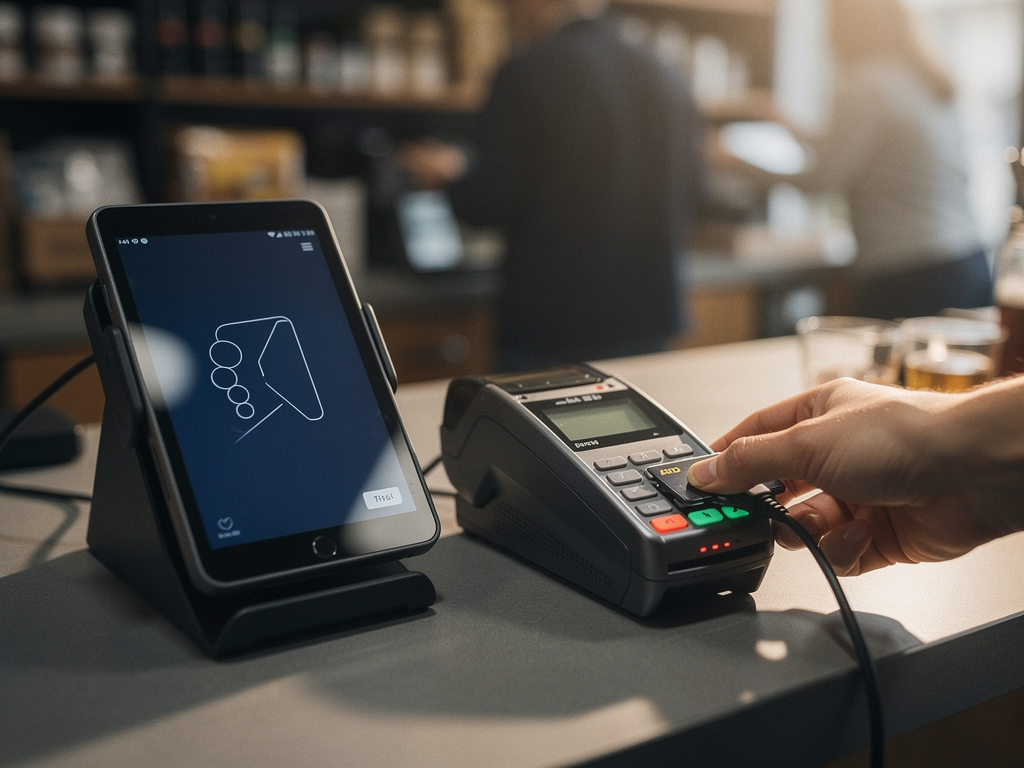

You spot a leased-terminal scam by running the math: a small monthly equipment lease on a non-cancelable multi-year contract quietly totals thousands of dollars for a terminal that costs only a few hundred to buy outright. The other warning signs are long lock-in terms, steep early-termination fees, and a personal guarantee, and a fair deal lets you own or affordably buy your hardware and leave whenever you choose.
The lease math that does the damage
Start with what the hardware actually costs. A modern countertop or wireless card terminal runs roughly 100 to 500 dollars to buy outright, often under 400, and it stays useful for three to five years or more because software updates extend its life. This is inexpensive equipment that lasts a long time, which is the whole reason financing it rarely makes sense.
Now look at the lease. Equipment leases commonly run 30 to 60 dollars a month on a 36-to-60-month term, which totals roughly 1,400 to 3,000 dollars or more over the contract for a device worth a few hundred. A 90-dollar-a-month lease on a 450-dollar terminal crosses 3,000 dollars over four years, for hardware you never own at the end. Reading that total out loud, not the comfortable monthly number, is the single fastest way to see the trap.
There is no tax angle that rescues it either. Purchased equipment is generally deductible just like leased equipment, so leasing gives most businesses no unique tax advantage to offset the markup. The lease is financing something that did not need to be financed.
Why the lease survives even when you switch
Here is the part that catches owners off guard. The equipment lease is usually a separate contract from your processing agreement, frequently held by a third-party leasing company. That separation is exactly why it keeps billing even after you leave the processor that sold it to you. You can move to a better rate and still be paying for old hardware months or years later.
Some leases also tie you to one processor by configuring the terminal for that provider only, so switching means replacing equipment you are still paying off. When a hardware decision quietly limits your processing freedom, the device is no longer the real product. The lock-in is.
The contract red flags to read before you sign
Watch for a long lock-in term paired with a steep early-termination fee, which together make leaving expensive no matter how poorly the deal performs. Watch for a non-cancelable equipment lease bundled into the pitch, with the remaining balance owed even if you stop using the device.
Watch for a personal guarantee. Some independent sales organizations require you to sign one, which means they can pursue your personal assets and not just business funds if the contract goes unpaid. Watch, too, for auto-renewal clauses that quietly extend the term, and for lease rates that work out to an effective 6 to 16 percent a year, reasonable for a vehicle or a machine but disproportionate for a small payment device. None of these belong in a fair hardware deal.
The four questions that expose the trap
Before signing anything, ask the salesperson four questions and write down the answers. What is the total paid over the full contract, not the monthly figure? Can this terminal be used with another processor if I switch? What exactly happens if I change providers mid-term? And is buying outright cheaper than this lease within twelve to eighteen months?
If the honest answers reveal a four-figure total, a processor-locked device, a balance owed on cancellation, and a break-even past a year and a half, you are looking at a lease that favors the provider, not you. A straight-dealing provider answers all four without flinching.
What a fair deal looks like
In a fair arrangement you own or affordably buy your hardware, you are free to leave whenever you choose, and the equipment is never chained to a separate multi-year lease. Modern Payanywhere hardware through North is matched to how you actually run, in person, online, or on the go, without the lease trap and without a personal guarantee on the device.
If an offer is in front of you right now, tell me what it says and I will read the lease line, the term, and the termination fee with you before you sign anything. Send me your current statement for a free statement review and I will tell you plainly whether your existing setup carries these traps, then show you North's published equipment and processing options on the rates page. Our companion piece, How do I switch payment processors without downtime, covers how to move off a bad setup without missing a sale.
Want this read for your own statement?
Send your last processing statement and Alex will show you your true effective rate, what is interchange, and what is pure markup. It costs nothing either way.