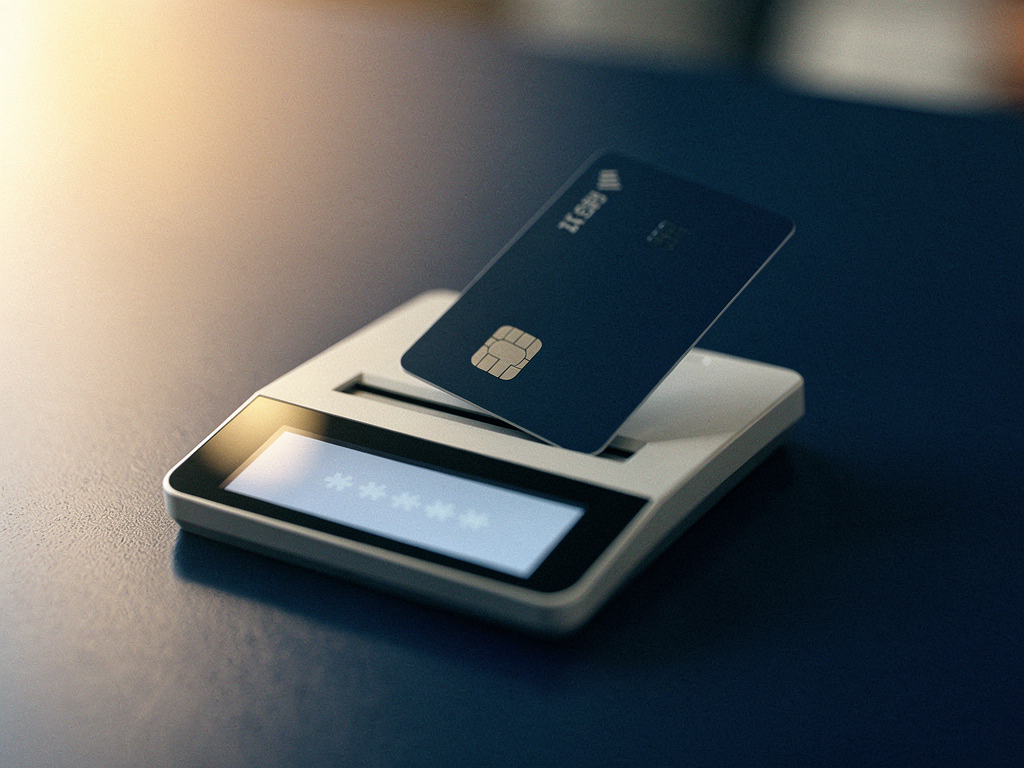

A high-risk merchant account is a payment-processing account built for businesses that card networks and banks consider more likely to face chargebacks, fraud, or regulatory trouble, like CBD, online gaming, telemedicine, and online pharmacies. They come with deeper underwriting, sometimes higher fees or a rolling reserve, and they exist so legitimate businesses in these categories can still accept cards.
What high risk means in payments
High risk is a label a payment processor applies to a business based on how much risk the processor takes on by handling that business's transactions. It is not a judgment that you run a bad business. It is a measure of the chargeback exposure, fraud exposure, and regulatory complexity that come with your category and your model.
A high-risk merchant account is simply a processing account structured for that exposure. It exists so legitimate businesses in tougher categories can still accept cards, instead of being shut out. Some processors prefer the gentler term specialty industries, because the high-risk label carries a stigma it does not always deserve.
The practical difference shows up in three places: underwriting is deeper, approval can take longer, and the terms may include higher fees or a reserve. In exchange, you get an account that is built to survive in your category rather than one that quietly flags you the first time a risk system gets nervous.
The industries that get the label
Several categories are routinely classified high risk. CBD and hemp products carry shifting regulations and bank hesitancy. Online gaming and gambling combine high chargeback rates with heavy regulation. Telemedicine and telehealth involve health data, prescribing rules, and licensing. Online pharmacies face strict pharmaceutical regulation and verification requirements.
Other common high-risk verticals include firearms, adult, credit repair, subscription and free-trial models, multi-level marketing, travel, and businesses selling high-ticket items or with long delivery windows. The threads connecting them are increased regulation, elevated chargeback or fraud likelihood, or both.
Card-not-present businesses sit higher on the risk scale by default, because online and over-the-phone payments carry more fraud exposure than a card dipped in person. So an e-commerce business in an otherwise ordinary category can still draw extra scrutiny simply for being primarily card-not-present.
Why these businesses are flagged
Three forces drive the classification. First, chargeback frequency: industries with historically high dispute ratios, like gaming, adult, and high-ticket e-commerce, get flagged because chargebacks cost the processor, not just the merchant. Second, fraud likelihood: any card-not-present model, and especially businesses with large future deliveries, carries a higher chance of fraud.
Third, reputation and regulation. Verticals like telehealth, pharmaceutical, CBD, firearms, adult, and gaming carry increased regulations, such as age restrictions and mandatory licenses, that raise the business's risk profile. Processors handling these categories often have to run Enhanced Due Diligence, a deeper review tailored to the business type.
A few non-industry factors matter too. Being based offshore while seeking a U.S. account adds complexity, and a poor business credit history can push an account into high risk on its own, regardless of what you sell.
What underwriting actually looks at
Every merchant account goes through Know Your Customer checks, where the processor collects business documentation, banking information, and identity verification. High-risk accounts add Enhanced Due Diligence on top, usually a questionnaire built around your specific business type. Here is what a high-risk underwriter typically wants to see.
Business ownership verification and years in operation. Several months of bank statements. Processing statements from any prior processor, which show your real chargeback and refund history. Your business and ownership credit profile. Any licenses or registrations your category requires, such as a pharmacy license or age-verification controls. And a clear, accurate description of exactly what you sell and how you fulfill it.
The depth varies with the situation. A contractor with long delivery times may face more questions about proof of fulfillment, while a business with a low credit score may be asked for more bank statements. The single fastest way to slow an approval, or trigger a later termination, is to misrepresent your business type, so accuracy up front is everything.
How a high-risk account is structured
High-risk accounts often carry terms that protect the processor against the extra exposure. Those can include higher processing rates, per-transaction surcharges, and a rolling reserve, where the processor holds back a percentage of your sales for a set period to cover potential chargebacks before releasing it to you.
A reserve is not the same as the sudden, open-ended freeze that aggregators like Stripe and Square impose, which our Freezes and Holds articles cover in depth. A reserve on a properly underwritten high-risk account is disclosed up front, defined in your agreement, and released on a known schedule. You know the rules going in, which is the entire point of being underwritten correctly before you process.
If your category lands you in high risk, the goal is not to dodge the label, it is to get an account whose terms you understand and can plan around, with a real human to call when a risk question comes up.
Getting approved on stable terms
The right partner for a high-risk business is a processor that specializes in your category rather than one that approves you fast and terminates you later. Specialty underwriting means your account is built to last, and a real relationship means a risk question becomes a phone call, not a frozen balance and a template email.
North's family of high-risk specialists, Humboldt Merchant Services and Signature Payments, is built for exactly these categories and works with complex merchant histories that standard processors decline. Going direct to North also keeps you clear of the third-party ISOs that stack extra fees on top of the processor's rates.
Send me what you sell and your last processing statement and I will give you a straight read on whether you are high risk, what underwriting will ask for, and what fair terms look like, free. You can also review North's published plan rates and the comparison tools on the rates page before we talk. Book a free statement review and let's map your approval. This article is general education, not legal or regulatory advice for your specific industry.
Want this read for your own statement?
Send your last processing statement and Alex will show you your true effective rate, what is interchange, and what is pure markup. It costs nothing either way.