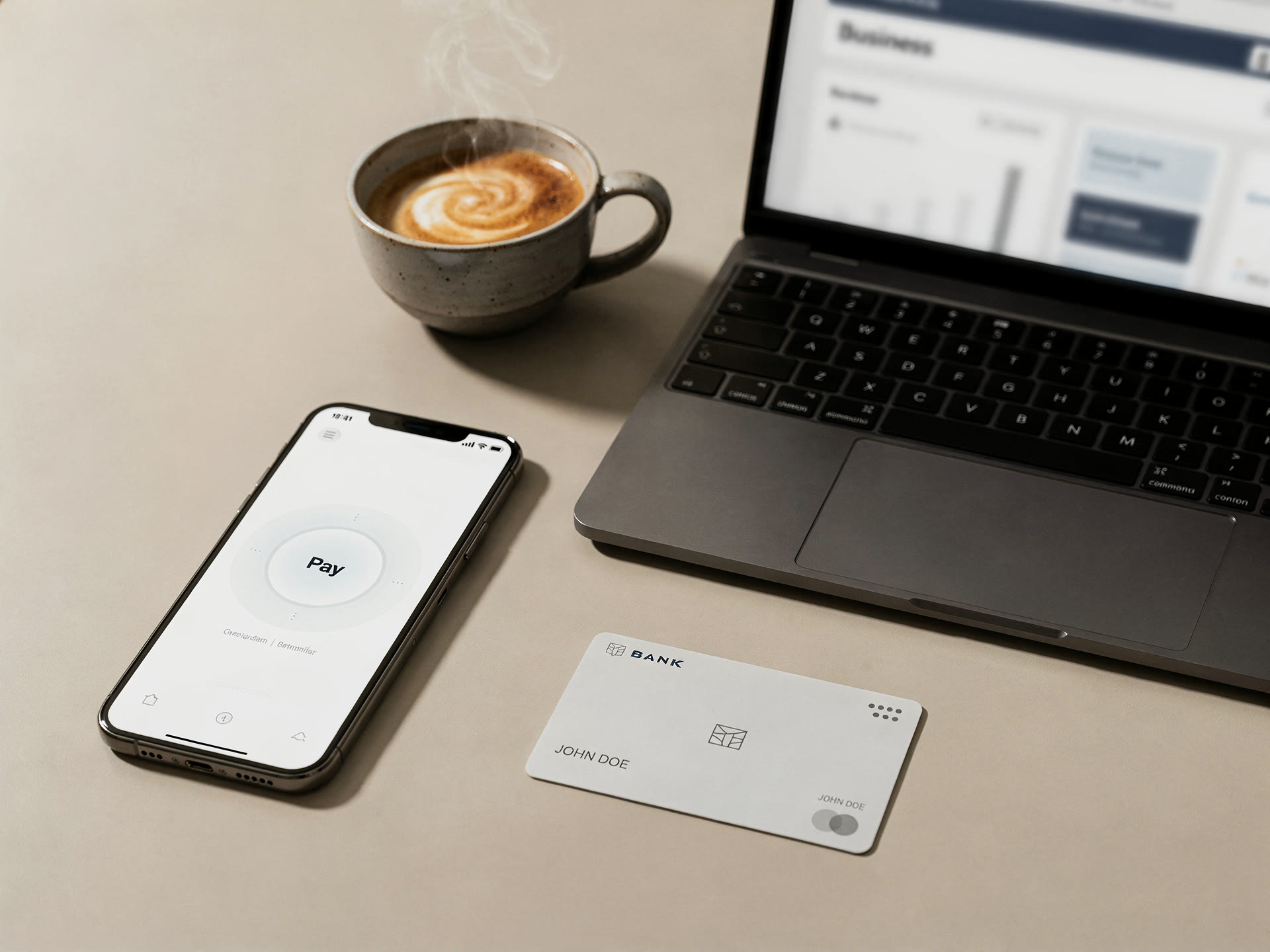

Stripe freezes funds because it is an aggregator that pools thousands of sellers into one shared merchant account and reviews each business after it starts processing, so its only real risk tool is holding money after the fact. A real merchant account is underwritten to your business before you process, which gives you a stable, direct risk relationship instead of an algorithm that can pause your payouts overnight.
The short answer first
Stripe and Square freeze funds because they are aggregators that pool thousands of sellers into one shared master account and underwrite each business after it starts processing, which leaves the after-the-fact hold as their main risk tool. A real merchant account is underwritten to your business before you process a single sale, so the risk question is answered up front and there is no need to lock your money the moment something looks unusual.
Once you see the two models side by side, every freeze story stops being mysterious. The freeze is not a glitch. It is the designed behavior of a shared-account system that traded up-front underwriting for a five-minute signup.
What an aggregator really is
Square, Stripe, and PayPal are payment aggregators, also called payment facilitators or PayFacs. Rather than giving you your own merchant account, they lump thousands of businesses together under one master merchant account, and you process as a sub-merchant inside it.
That is why signup takes five minutes with little to no underwriting up front. The convenience is genuine, and for a brand-new seller testing an idea it can be the right starting point. The catch is that they review your business after you start processing, so the risk check happens when it is already too late to plan around, and the only way to undo a risk decision is to hold the money that has already flowed in.
What a true merchant account is
A merchant account is a specialized financial account that lets your business accept credit and debit cards, and it temporarily holds those funds before they settle into your regular business bank account.
A true merchant account is underwritten in your business's name, which gives you a stable, direct relationship with the payments system. You are not a slot inside someone else's account, so there is a real risk relationship instead of an algorithm deciding your outcome. The underwriting that an aggregator skips up front is the same underwriting that a real processor does first, which is precisely what removes the surprise.
How reserves work in each model
Both models can use reserves, but they use them very differently. A reserve is money the processor holds back to cover potential chargebacks and refunds. There are three common forms: a rolling reserve that holds a percentage of each day's sales and releases it on a set schedule, an upfront reserve set aside at the start, and a minimum or capped reserve that holds funds up to a fixed ceiling.
On an aggregator, the reserve often shows up suddenly, applied by a risk model after a flag, with little explanation and a term you did not negotiate. On a true merchant account, if a reserve is needed at all, it is set as part of underwriting up front, with terms you can see and a human who can explain them. The difference is not whether reserves exist. It is whether they are a transparent, agreed structure or an after-the-fact surprise.
Why the difference shows up as a freeze
Because an aggregator approves you instantly and reviews later, its only risk tool is the after-the-fact hold. A spike in volume or a single chargeback can trip the system and lock your money while bills keep coming. The system is doing exactly what it was built to do, which is why polite support agents cannot simply turn it off for you.
Because a dedicated account is underwritten up front, surprises are rare. With a real merchant account backed by North, a true processor serving more than 350,000 merchants since 1992, you get your own underwritten account, reviewed properly before you process, so you are not one risk flag away from being shut off mid-sale.
How to tell which model you are on today
Here is the quick test. If you signed up in five minutes with no real underwriting, if your funds land in a wallet inside the provider's app rather than settling to your own bank account on a clear schedule, and if support is a chat window or a template email rather than a person, you are almost certainly on an aggregator. If your account was underwritten in your business name before you processed and you have a named contact, you are on a true merchant account.
Send me your last statement through my free statement review and I will tell you exactly which model you are on, with no guessing. You can also run your own numbers through the aggregator-versus-merchant comparison tool on my rates page, and if you are dealing with an active hold right now, my articles on getting money back from a Stripe freeze and on your options after a Square deactivation walk through the recovery steps in detail.
Want this read for your own statement?
Send your last processing statement and Alex will show you your true effective rate, what is interchange, and what is pure markup. It costs nothing either way.